On reprobation
- Oct 12, 2025
- 2 min read
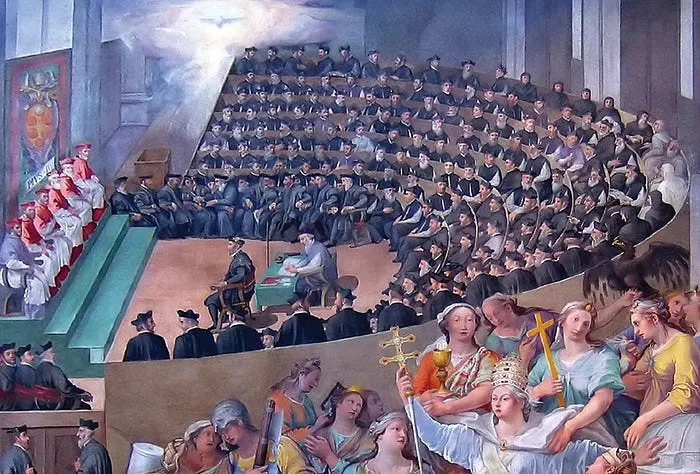
Like how efficacious election is the eternal will to include some to eternal bliss, reprobation is the opposite where by God’s will He excludes some from the plan of salvation. As God positively cooperates in the supernatural merits which lead to beatification, He also permits sin which leads to damnation.
Positive reprobation: This is typically the form of reprobation that is held by heretics such as the gallic priests of the 5th century, gottschalk and as well as calvin. This is the teaching that there is a predetermination to sin and an unconditional predestination to hell without the future consideration of demerits. Orange I, valence, and trent all rejected this proposition since unconditioned positive reprobation leads to the denial of the divines desire for universal salvation and of redemption and contradicts God’s justice and holiness alongside the freedom of man. Despite this there is a form of conditioned positive reprobation that is tenable within the Church as long as it occurs with the consideration of the future demerits. The conditional nature of positive reprobation is demanded by the generality of the divine resolve of salvation which excludes God’s desiring prior to the damnation of certain men.
Negative reprobation: This is the thomist view, the thomists conceive this doctrine as non election to eternal bliss, with the divine resolve to permite some men to fall into sin hence by their own guilt they’ll lose the permit to be saved. In opposition to the predestinarians, the thomists insist on the universal divine resolve of salvation and redemption even though sufficient grace is distributed to the reprobate. In practice unconditioned negative reprobation of thomsits has the same result as the unconditioned positive reprobation of the predestinarians since outside of heaven and hell there isnt a 3rd final state or anything.
The Divine resolve of reprobation is immutable and without special revelation its impossible to know.
Comments